The mornings in Lamwo often began long before the sun came up. At the crack of five o’clock in the morning, when most children across Uganda were still fast asleep, the children of Patrick Ayoo were already on their feet, their small silhouettes moving along dusty village paths. Each one carried a yellow jerrycan, heavy even when empty, and trudged toward the nearest river four kilometers away.
The journey was not a choice; it was survival. Without water fetched from that distant river, there would be nothing for cooking, washing, or drinking. But the price was steep. Hours were spent walking back and forth, often under the weight of 20 liters of water, leaving Patrick’s children exhausted even before they began their school day.
“It broke my heart,” Patrick recalls, his voice low with the memory. “By the time my children would reach school, they were too tired to learn. Their performance suffered. They were always fighting fatigue. And yet, what else could we do? Water was life, and it was far away.”
This was the reality for countless families across Lamwo. Every day was shaped by the scarcity of water. For children, it meant lost opportunities in education. For parents, especially women, it meant endless hours lost on the road. For the community, it meant a cycle of struggle that touched nearly every aspect of life.
Ronald Okot, the district water officer, watched this reality unfold every day. His office oversees water planning, implementation, and monitoring in Lamwo, and he knew the hardships all too well. “Children carried the heaviest burden,” he explains. “You’d see them balancing jerrycans bigger than their arms, dragging themselves to school late, hungry, and worn out. Their parents, too, had little time for farming or earning. The absence of water nearby meant the absence of progress. Life was truly hard.”
That hard life is slowly fading into memory. Thanks to the Uganda Intergovernmental Fiscal Transfers program, Lamwo has witnessed a transformation many once thought impossible: the installation of a solar-powered piped water system that now delivers clean, reliable water directly to the community.
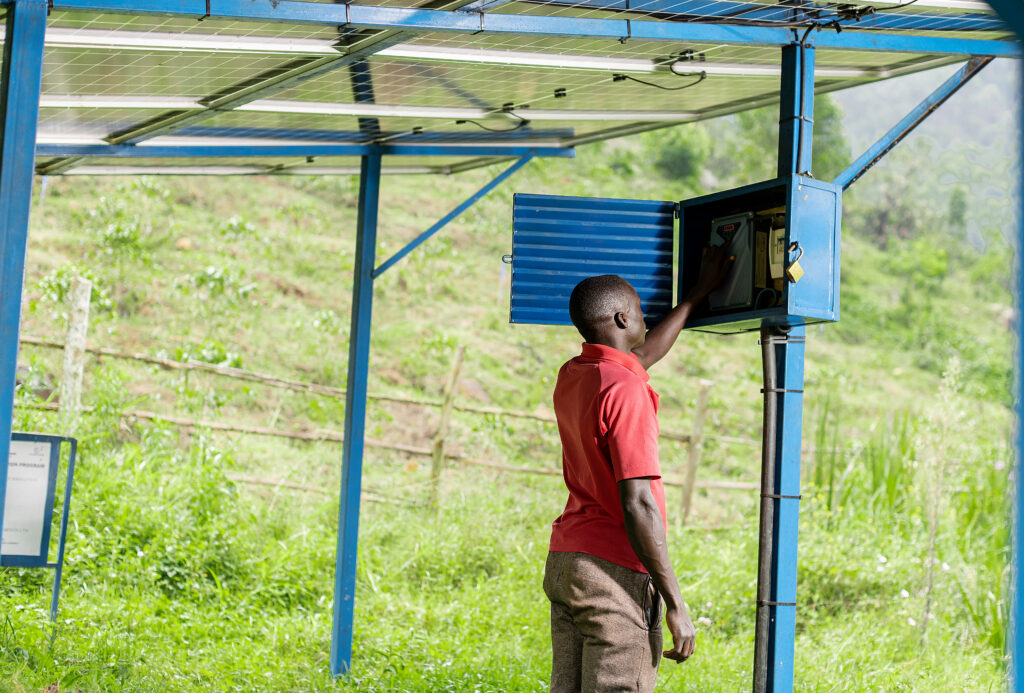
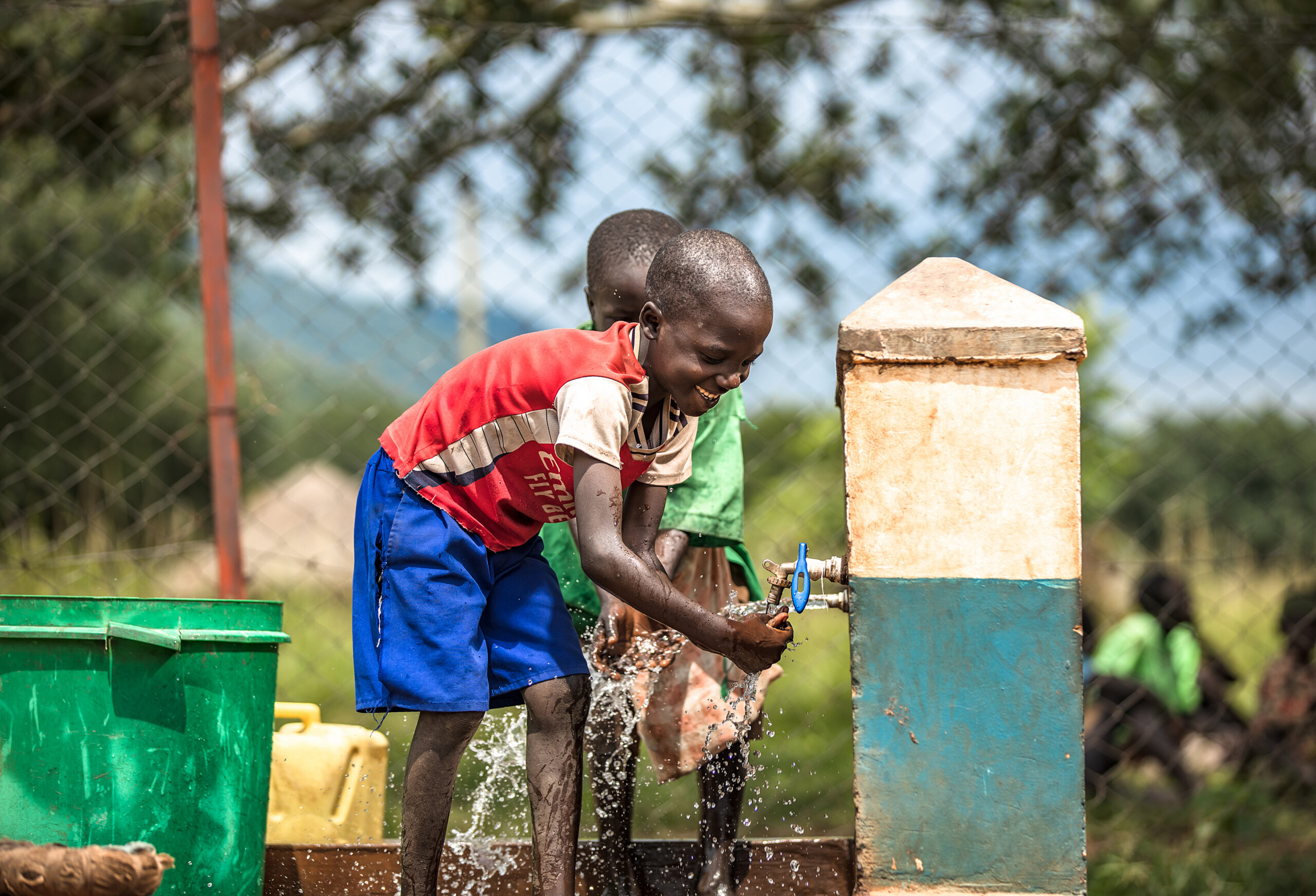
The system harnesses solar energy to pump water from nearby safe sources into a central storage tank. From there, a network of pipes carries it to taps across the villages. What used to require hours of grueling journeys can now be accomplished in minutes. With the turn of a tap, households have water.
“I still cannot believe it sometimes,” Patrick says, his face breaking into a smile. “The children no longer wake up at five o’’clock to carry jerrycans. They wake up to get ready for school. They carry books instead of water. They go to class fresh and full of energy. For the first time in a long time, I can see hope in their eyes.”
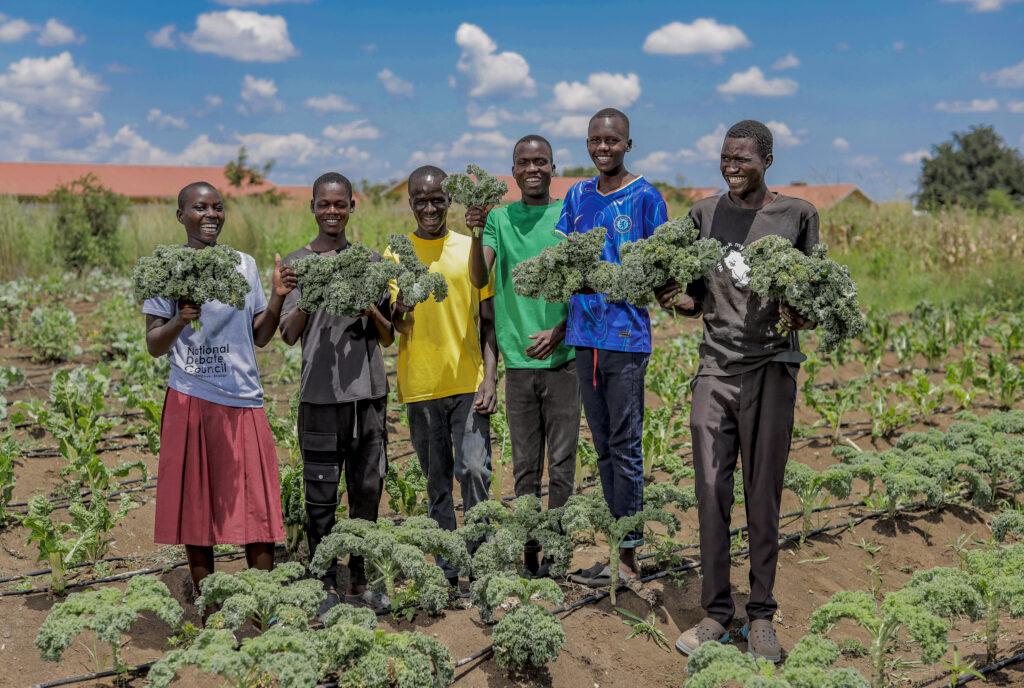
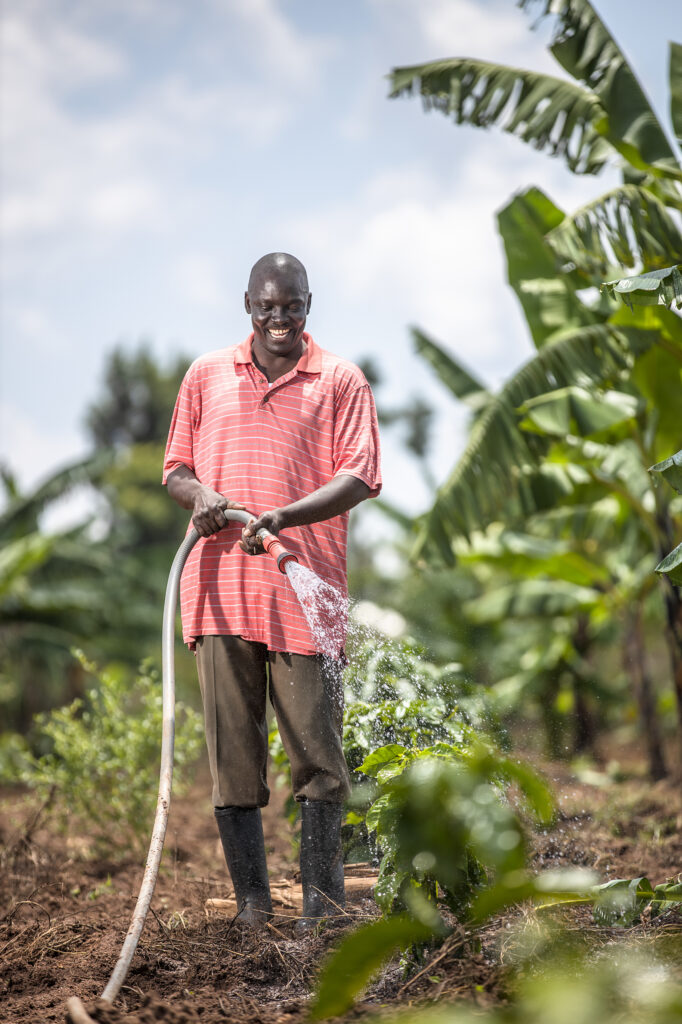
The transformation is not just in Patrick’s home; it is in the pulse of the entire community. Women who once spent entire mornings trekking for water now find themselves with time to tend to gardens and market stalls. Men invest their freed-up hours in farming and other work. Children laugh more, play more, and arrive at school on time.
“Time is money,” Patrick reflects. “Before, we wasted so much of it just looking for water. Now, with water nearby, we can use that time for farming, for family, for building better lives. It feels like we have been given back what we lost.”
Even challenges such as pipe damage no longer plunge households back into despair. With multiple taps across Lamwo, residents always have alternative points of access. Ronald, the water officer, points out that what makes this success sustainable is not only the infrastructure but also the ownership built into the system. “The people here now understand how valuable this water is,” he says. “They hold meetings, they educate one another, they solve issues together. The community protects what has become its lifeline.”
The new water system is part of a much larger vision. Under UgIFT’s Water and Environment program, more than 750,000 Ugandans across the country are now benefiting from similar initiatives. The program ensures water reaches not just homes but also schools and health centers. It protects watershed sources, builds the skills of local leaders, and ensures communities like Lamwo no longer have to live at the mercy of distant rivers.
But for families like Patrick’s, these national statistics are personal. The change is written in the small, everyday freedoms they now enjoy. A daughter who once arrived at school too tired to read is now raising her hand in class. A mother who used to spend half her day on the road for water now sells vegetables in the market. A father who once feared his children’s futures now dreams bigger dreams for them.
“My children come home from school smiling,” Patrick says, his voice lifting with joy. “We sit together in the evenings and talk. Before, the day was consumed by the struggle for water. Now we have time for family. We have time for life.”
For Ronald, too, the change is a source of pride. “The water is good. It flows everywhere the pipes reach. Even when one point has a problem, others continue working. It has restored dignity to the people of Lamwo.”
From the quiet relief on parents’ faces to the laughter of children no longer weighed down by jerrycans, Lamwo’s story is one of transformation. Where once scarcity defined daily life, abundance now brings possibility. Where once water meant exhaustion, now it means energy, growth, and hope.
The solar-powered piped water system is more than infrastructure. It is a new beginning. It has made water closer, cleaner, and better and in doing so, it has made life in Lamwo brighter than ever before.