In the southeastern corner of Uganda, bordering Kenya, lies Busia District, a region known for its bustling cross-border trade, fertile land, and vibrant communities. Yet, behind its economic vibrancy, Busia has struggled with healthcare challenges, particularly in maternal and child health. For decades, expectant mothers faced long journeys, overcrowded facilities, and limited access to essential medicines.
The Uganda Investment in Global Transformation (UgIFT) Health Program recognised this gap and commissioned Sofia Health Centre III on 2nd June 2025, marking a transformative chapter for the district. The facility now serves as a beacon of hope for mothers, infants, and the entire community.
Maternal Health in Busia and Uganda
Uganda has made impressive strides in maternal health. According to the World Bank, the maternal mortality rate dropped from 842 deaths per 100,000 live births in 2000 to 170 in 2023. Despite this progress, regional disparities persist. Busia District, for instance, recorded a maternal mortality ratio of 368 deaths per 100,000 live births, significantly above the national average. Limited access to skilled birth attendants, the shortage of nearby health facilities, and logistical challenges have historically hampered maternal care in the region.
A Mother’s Journey: The Voice of Experience
For Scovia Nalwoga, 33, mother of one and expecting her second child, the improvements could not have come soon enough. Her first pregnancy was marked by exhausting journeys to the Health Centre IV, located several kilometres away in the Western Division of Busia.
“I would walk from home to the health facility and arrive exhausted, only to find a very long queue of expectant mothers like myself,” she recounts. “Sometimes the medicine was not enough to cater for all of us, and we would go home without any treatment. We were so tired, but so were the staff, and so was the health centre itself.”
Scovia remembers arriving hours before dawn, waiting under the sun or in crowded corridors, only to sometimes be turned away without the care she needed. She recalls the anxiety and helplessness of knowing that her child’s life depended on timely attention that was not guaranteed.
“I see children receiving immunisation and treatment for common illnesses here at Sofia Health Centre III. I will make sure my little one is delivered here so that they can receive the same care. As a mother, I already feel safe knowing my children will be well taken care of.”
The Challenge: Overcrowding and Limited Resources
Busil Idro, the facility in charge, paints a vivid picture of the conditions before Sofia Health Centre III:
“At Health Centre IV, the conditions were very challenging. We received hundreds of patients daily, with long queues stretching outside the facility. Mothers waited for hours, sometimes without receiving the medications they needed. Staffing was limited, and space was cramped. For many, the journey itself was exhausting.”
He explains how these barriers discouraged women from seeking care, particularly in critical moments of pregnancy, contributing to preventable maternal and infant deaths.
Initial Resistance: Community Concerns
Despite the critical need, the construction of Sofia Health Centre III was not without resistance. The proposed site was previously a bustling market, and some locals feared relocation or doubted that a health centre would truly benefit the community.
“At first, the locals resisted because this was the area they had been used to,” Busil recalls. “There was skepticism. Some wondered why a new facility was needed when Health Centre IV already existed. But as construction progressed and people realised the centre would bring healthcare closer, attitudes changed. Today, the community embraces it, and it has become a lifeline.”
This initial scepticism underscores the importance of community engagement and communication in development interventions.
Transformation on the Ground
Since its commissioning, Sofia Health Centre III has become a cornerstone of maternal and child healthcare in Busia. Within three months of operation, the centre has:
- Served over 1,500 patients, including both children and adults.
- Provided antenatal care to more than 50 expectant mothers.
- Delivered care to over 60 infants.
- Employed 15 permanent staff, working day and night to ensure access to quality healthcare.
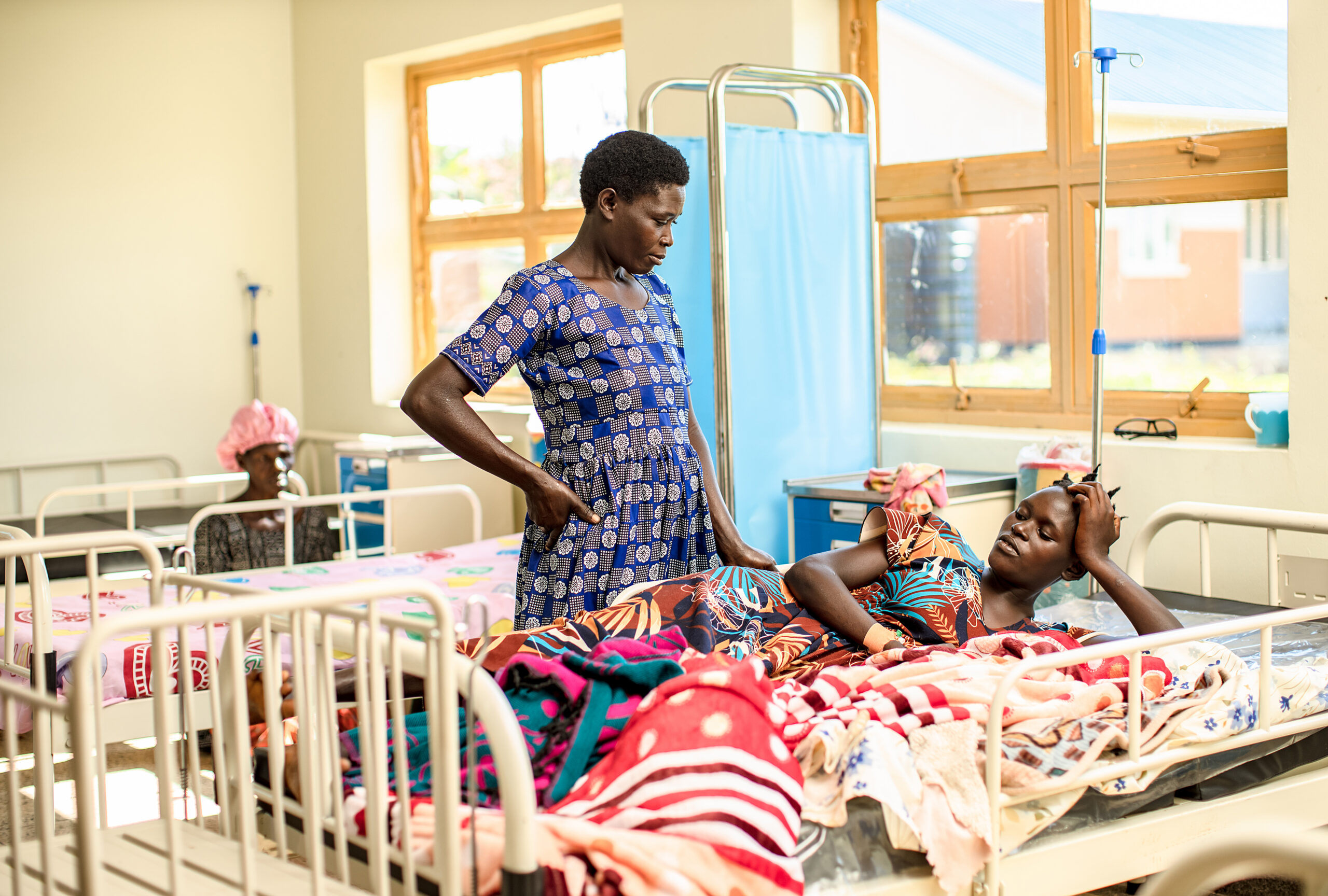
The facility features three dedicated blocks: the Outpatient Department, Inpatient Department, and Maternity Ward. Together, these blocks have reduced congestion, improved patient flow, and enhanced the quality of care for mothers and children.
“The three blocks have been very instrumental in making the delivery of these crucial healthcare services possible,” Busil explains.
For Scovia, the difference is transformative. The new facility is just a 10-minute walk from her home, eliminating the exhausting journey she endured during her first pregnancy. Free antenatal care, nutrition guidance, and education on monitoring her pregnancy provide not only medical support but also peace of mind.
“I feel at ease knowing my health and that of my baby are in good hands,” she says.
Strategic Impact and Global Context
The story of Sofia Health Centre III is not just about one community; it reflects the broader challenges and opportunities in Uganda’s maternal health landscape. According to World Bank statistics, Uganda has seen a significant drop in maternal mortality, from 842 per 100,000 live births in 2000 to 170 in 2023. Yet districts like Busia continue to face higher-than-average risks due to geographical, infrastructural, and logistical barriers.
- The facility’s strategic placement in Busia addresses these inequities:
- Reducing travel distance for mothers by several kilometers.
- Providing timely access to skilled birth attendants.
- Ensuring adequate medication and equipment, reducing preventable deaths.
Sofia Health Centre III also alleviates pressure on Health Centre IV, allowing the larger facility to focus on more complex emergencies while minor cases are managed closer to the community.
“The more serious cases for advanced care are referred to Health Centre IV. Here we deal with smaller emergencies to ensure no one is left without help,” Busil explains.
A Lifeline for the Community
Sofia Health Centre III represents more than just bricks and mortar, it is a lifeline for Busia District, providing a safe space where mothers and children can access care without fear or barriers. It is a model of how strategic investment, community engagement, and human-centred design can transform health outcomes.
“I have seen firsthand how bringing healthcare closer has removed barriers for mothers and children,” Busil reflects. “As a midwife, I feel proud knowing that I am part of a new chapter in this community, one where care is accessible, compassionate, and life-changing. Thank you, UgIFT, for making all of this possible.”
For Scovia, the hope is real: her next birth will occur in a facility designed to keep both mother and child safe, equipped with trained staff, medications, and modern infrastructure, a stark contrast to the uncertainty she faced during her first pregnancy.
Numbers That Tell a Story
- Patients served in first 3 months: 1,500+
- Expectant mothers attended: 50+
- Infants receiving care: 60+
- Permanent staff: 15
- Walking distance to community: 10 minutes
- Maternal mortality in Busia: 368 per 100,000 live births (vs. national 170/100,000)
Sofia Health Centre III demonstrates the power of proximity and accessibility in saving lives. It exemplifies the goals of the UN Sustainable Development Goals 3 and 5, ensuring healthy lives, promoting well-being, and achieving gender equality in access to healthcare.
Conclusion
Busia District’s journey from barriers and long queues to accessible, community-centred healthcare is a story of hope, resilience, and transformation. Sofia Health Centre III is more than a facility; it is a symbol of empowerment, showing how targeted interventions can reshape maternal and child health outcomes, create sustainable impact, and inspire communities to believe in a healthier, more equitable future.
“This facility has become a lifeline for our community. It is a place where mothers and children can receive care without fear, without barriers, and with dignity,” Busil concludes.
In Busia, healthcare is no longer a distant promise; it is brought home, nurtured, and sustained, ensuring that every mother and child has the care they deserve.